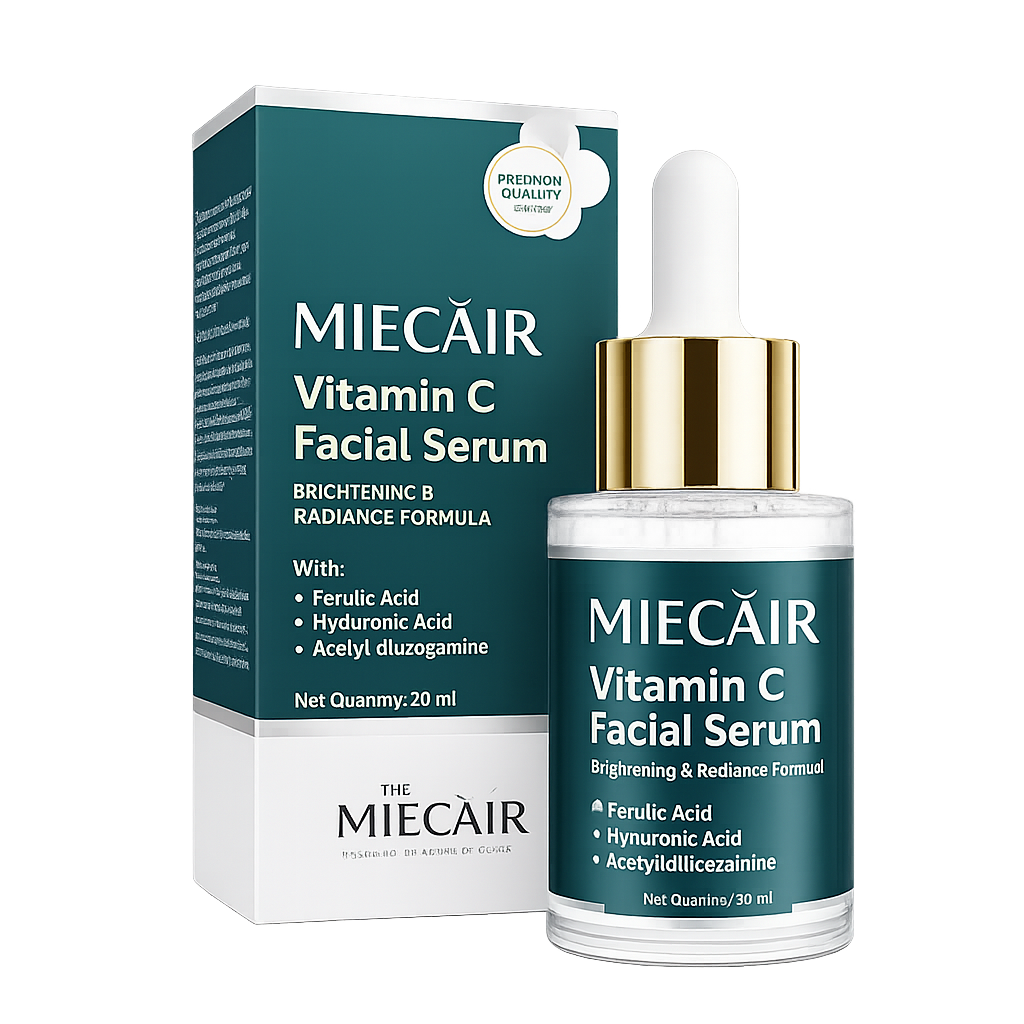
You wash your face every day. You moisturize. You even wear sunscreen. But your skin still looks dull, uneven, and tired. Dark spots from old pimples refuse to fade. Pigmentation on your cheeks has become a permanent resident.
Sound familiar? You are not alone.
Millions of Indians — from bustling Delhi to sunny Chennai — deal with the exact same skin concerns. The culprit is often UV damage, pollution, hormonal changes, and simple ageing. And the one ingredient dermatologists keep coming back to as a solution is vitamin C serum.
This guide gives you everything you need: what it is, how it works, which products to buy in India, and how to use it correctly for real, visible results. Whether you have oily skin, dry skin, or sensitive skin — there is a right vitamin C serum for you.
Let’s get into it.
What Is Vitamin C Serum?
Vitamin C serum is a lightweight, fast-absorbing skincare product that delivers a concentrated dose of vitamin C — also known as L-ascorbic acid — directly into your skin.
Unlike a moisturizer or face wash that sits on the surface, a serum penetrates deeper into the skin layers. This is why vitamin C serum for face shows faster and more visible results compared to creams or lotions that contain the same ingredient.
The Science Behind It
L-ascorbic acid is the most biologically active and well-researched form of vitamin C in skincare. At a concentration between 10% and 20%, it works as a powerful antioxidant, meaning it neutralizes free radicals — the unstable molecules caused by pollution, UV rays, and stress that break down your skin over time.
Beyond antioxidant protection, vitamin C is essential for collagen synthesis. Collagen is the protein that keeps skin firm and elastic. As you age, your body produces less of it. Vitamin C directly stimulates collagen production, helping slow down the visible signs of aging.
Other stable derivatives used in serums include:
- Sodium Ascorbyl Phosphate — gentler, good for acne-prone skin
- Ascorbyl Glucoside — water-soluble, stable, suitable for sensitive skin
- Magnesium Ascorbyl Phosphate — mild, hydrating, good for dry and sensitive types
- Tetrahexyldecyl Ascorbate — oil-soluble, penetrates deeply, excellent for anti-aging
Reference: American Academy of Dermatology (AAD) recognizes vitamin C as a clinically proven ingredient for brightening and anti-aging.
Top 7 Benefits of Vitamin C Serum for Face
Here is why dermatologists across India and globally recommend adding vitamin C serum to your daily routine:
1. Brighter, Glowing Skin
Vitamin C inhibits the enzyme tyrosinase, which is responsible for melanin (pigment) production. By slowing down melanin synthesis, it visibly brightens the skin tone over time. This makes vitamin C serum for glowing skin one of the most searched skincare topics in India — and for good reason.
2. Reduces Pigmentation and Dark Spots
Whether your dark spots are from sun exposure, hormonal melasma, or post-inflammatory pigmentation (from pimples), vitamin C serum for pigmentation addresses the root cause by interfering with melanin overproduction at the cellular level.
Most users notice visible lightening in 4 to 8 weeks with consistent use.
3. Fades Acne Scars
Vitamin C serum for acne scars works by boosting collagen production in damaged skin areas and gently lightening post-acne hyperpigmentation. It does not treat active acne on its own, but it significantly accelerates scar healing after breakouts subside.
4. Powerful Anti-Aging Action
By stimulating collagen synthesis, vitamin C:
- Reduces the depth of fine lines and wrinkles
- Firms sagging skin
- Improves overall skin texture and elasticity
Studies published in the Journal of Clinical and Aesthetic Dermatology confirm that daily topical application of L-ascorbic acid significantly reduces signs of photoaging.
5. Protection from Sun and Pollution Damage
Vitamin C does not replace sunscreen — but it supercharges it. Used together, vitamin C serum + SPF provides layered antioxidant protection against UV-induced free radical damage. For Indian skin exposed to high UV index and urban pollution, this combination is non-negotiable.
6. Reduces Redness and Inflammation
Vitamin C has mild anti-inflammatory properties that calm skin redness, blotchiness, and irritation. This makes it useful even for skin that is reactive or recovering from sensitivity episodes.
7. Even Skin Tone Over Time
Regular use of vitamin C serum for dark spots leads to a more uniform, balanced skin tone. Uneven patches caused by sun spots, freckles, or melasma gradually become less noticeable — revealing clearer, healthier-looking skin.
How to Use Vitamin C Serum: Step-by-Step Routine
Applying vitamin C serum incorrectly can reduce its effectiveness or even cause irritation. Follow this dermatologist-approved method:
Morning Routine (Recommended)
- Cleanse — Wash your face with a gentle, pH-balanced cleanser. Pat dry.
- Tone (optional) — Apply a hydrating, alcohol-free toner. Wait 30 seconds.
- Apply Vitamin C Serum — Use 3–4 drops. Gently press (do not rub) into skin. Cover forehead, cheeks, nose, and chin.
- Wait — Allow the serum to absorb for 60–90 seconds before layering.
- Moisturize — Lock in hydration with your regular moisturizer.
- Sunscreen (mandatory) — Apply SPF 30+ broad-spectrum sunscreen. This is essential because vitamin C makes skin slightly more photosensitive.
Can You Use Vitamin C Serum at Night?
Yes — vitamin C serum can be used at night, especially if your skin is sensitive and reacts to layering with sunscreen. However, morning use is preferred because:
- Antioxidant protection is most needed during daylight hours
- The skin repair cycle at night is best supported by retinol or peptide serums
If you use it at night, simply follow cleanse → tone → vitamin C serum → moisturizer.
📌 Internal Link Suggestion: [Complete Anti-Aging Skincare Routine for Indian Skin]
Vitamin C Serum for Different Skin Types
Not all vitamin C serums are created equal. Here is how to choose based on your skin type:
For Oily Skin
Choose a water-based, oil-free vitamin C serum with 15–20% L-ascorbic acid. Look for non-comedogenic formulas. Lightweight gel textures work best. Avoid heavy carrier oils like rosehip in the base.
Best ingredients to pair: Niacinamide (separately, not mixed), hyaluronic acid, zinc.
For Dry Skin
Look for a hydrating vitamin C serum that contains sodium ascorbyl phosphate or ascorbyl glucoside alongside humectants like hyaluronic acid and glycerin. Cream-based or slightly richer serum textures work well.
Best ingredients to pair: Ceramides, squalane, peptides.
For Sensitive Skin
Start with a lower concentration (5–10%) and choose gentler derivatives like magnesium ascorbyl phosphate. Avoid formulas with fragrance, alcohol (denatured), or harsh preservatives. Do a patch test for 48 hours before full use.
Best ingredients to pair: Centella asiatica, aloe vera, oat extract.
For Acne-Prone Skin
Sodium ascorbyl phosphate is your best bet — it is the most acne-friendly form of vitamin C with proven antibacterial properties against P. acnes bacteria. Avoid heavy, occlusive bases that can clog pores.
Best ingredients to pair: Salicylic acid (use in separate step), niacinamide.
Vitamin C Serum for Men
Men’s skin is typically oilier and thicker. Higher concentrations (15–20%) are generally well-tolerated. Lightweight water-based formulas are most practical. Apply post-shave as part of the morning routine.
Best Vitamin C Serum in India: Top Picks Compared
Here is a comparison of top-rated vitamin C serums available in India across different price ranges — from budget-friendly options under ₹500 to premium dermatologist-recommended choices.

| Product | Key Ingredient | Skin Type | Approx. Price (INR) | Best For |
|---|---|---|---|---|
| Minimalist 10% Vitamin C | Ascorbyl Glucoside | All types | ₹599 | Beginners, value |
| Dot & Key Vitamin C + E Serum | L-Ascorbic Acid + Vit E | Dry/Normal | ₹995 | Brightening + hydration |
| Plum 15% Vitamin C Serum | Ethyl Ascorbic Acid | Oily/Combination | ₹875 | Oily skin, anti-acne |
| Mamaearth Skin Illuminate Serum | Vitamin C + Turmeric | Sensitive/Dry | ₹549 | Natural formula |
| WOW Skin Science Vitamin C Serum | Vitamin C + Hyaluronic Acid | All types | ₹699 | Hydration + glow |
| Kama Ayurveda Vitamin C Serum | L-Ascorbic Acid | Dry/Mature | ₹2,495 | Luxury + anti-aging |
| The Ordinary Ascorbic Acid 8% | Pure Ascorbic Acid | Normal/Oily | ₹1,350 | Advanced users |
| Pilgrim 15% Vitamin C Serum | Ethyl Ascorbic Acid | All types | ₹599 | Budget + effective |
⚠️ Prices are approximate and may vary by retailer. Always verify on official brand websites or trusted platforms like Nykaa, Amazon India, or Flipkart.
Vitamin C Serum Under ₹500
If you are looking for vitamin C serum under 500, options from brands like Mamaearth, Pilgrim, and Minimalist frequently run offers that bring them below this price point. Look for combo packs or subscribe-and-save deals on Amazon India.
Vitamin C Serum Under ₹1000
The ₹500–₹1000 range offers the best value-for-money in India. Minimalist, Plum, WOW Skin Science, and Dot & Key all deliver clinically meaningful concentrations at this price range. These are excellent entry points for consistent, long-term use.
How to Choose the Best Vitamin C Serum: Expert Criteria
With hundreds of products available to buy online in India and globally, here is what actually matters when selecting a vitamin C serum:
1. Concentration Percentage
- 5–10%: Best for beginners, sensitive skin, or first-time users.
- 10–15%: Ideal for most skin types seeking visible brightening and pigmentation reduction.
- 15–20%: Advanced formula for experienced users targeting significant aging, deep pigmentation, or dull skin.
- Above 20%: Rarely necessary; increases risk of irritation without proportional benefit.
2. Form of Vitamin C
| Form | Stability | Potency | Best For |
|---|---|---|---|
| L-Ascorbic Acid | Low (oxidizes fast) | Highest | Experienced users, results-focused |
| Ethyl Ascorbic Acid | High | High | Most skin types |
| Ascorbyl Glucoside | High | Moderate | Sensitive, beginners |
| Sodium Ascorbyl Phosphate | High | Moderate | Acne-prone skin |
| Magnesium Ascorbyl Phosphate | High | Moderate | Dry, sensitive skin |
3. Supporting Ingredients
The best vitamin C serums are not standalone formulas. Look for:
- Vitamin E (tocopherol) — Synergistic antioxidant that stabilizes and enhances vitamin C
- Ferulic acid — Doubles the efficacy of vitamin C + E combination
- Hyaluronic acid — Adds hydration, prevents dryness
- Niacinamide — Good for brightening (use in separate step, not mixed with L-ascorbic acid)
4. pH Level
L-ascorbic acid is most effective at a pH of 2.5–3.5. At higher pH, it becomes less potent. Most quality brands formulate correctly, but this explains why very cheap, unbranded serums often underperform.
5. Packaging
Vitamin C is notoriously unstable and oxidizes when exposed to air and light. Always choose:
- Dark or opaque glass bottles
- Airless pump dispensers
- Small-mouth droppers that minimize air exposure
Avoid clear glass bottles with open caps — the serum will turn orange/brown (indicating oxidation) and lose effectiveness quickly.
Vitamin C Serum Side Effects and Precautions
Vitamin C serum is considered safe for most people, but side effects can occur, especially with improper use.
Common Side Effects
- Tingling or stinging: Normal, especially with higher concentrations or L-ascorbic acid. Usually subsides after 1–2 weeks.
- Mild redness: Temporary skin reaction, often goes away quickly.
- Dryness or flaking: Can occur if the formula is very acidic. Counter with a good moisturizer.
- Breakouts (purging): Some users experience temporary purging as skin cell turnover increases. This is normal and lasts 2–3 weeks maximum.
Serious Side Effects (Rare)
- Allergic reaction (rash, hives, swelling) — discontinue immediately and consult a dermatologist.
- Severe irritation in compromised skin barrier — do not use on broken, sunburned, or eczema-affected skin.
Who Should Be Extra Cautious
- People with rosacea — start with very low concentrations (5%) and consult a dermatologist first
- Pregnant or breastfeeding women — consult a doctor before starting any new active ingredient
- Those already using retinol, AHAs, or BHAs — avoid layering directly; use in separate AM/PM steps
Important: Patch Test Protocol
Before using any new vitamin C serum for the first time:
- Apply a small amount behind your ear or on the inner wrist
- Wait 48 hours
- If no reaction, proceed with regular use
Vitamin C Serum Before and After: Realistic Expectations
Setting realistic expectations is essential. Here is what you can expect based on consistent daily use:
| Timeline | Expected Results |
|---|---|
| Week 1–2 | Skin feels smoother; mild radiance improvement visible |
| Week 3–4 | Noticeable brightening; pores appear refined |
| Month 2 | Visible reduction in mild pigmentation; improved skin tone |
| Month 3 | Significant fading of dark spots and acne scars |
| Month 4–6 | Maximum brightening; fine lines softer; skin texture notably improved |
Important factors that affect results:
- Consistency of use (daily use > occasional use)
- Sun protection (no sunscreen = vitamin C loses half its benefit)
- Concentration and quality of the product
- Skin type and severity of pigmentation
Most dermatologists recommend a minimum 3-month commitment before evaluating full results.
Complete Vitamin C Serum Skincare Routine
Here is a complete, structured vitamin C serum routine for morning and evening:
Morning Routine
| Step | Product Type | Why |
|---|---|---|
| 1. Cleanse | Gentle face wash | Remove overnight impurities |
| 2. Tone | Hydrating toner | Prepare skin + balance pH |
| 3. Vitamin C Serum | 10–15% formula | Antioxidant protection + brightening |
| 4. Eye Cream | Peptide eye cream | Treat under-eye darkness |
| 5. Moisturize | Lightweight moisturizer | Seal hydration |
| 6. SPF | Broad-spectrum SPF 30–50 | Protect (non-negotiable) |
Evening Routine

| Step | Product Type | Why |
|---|---|---|
| 1. Double Cleanse | Oil cleanser + face wash | Remove SPF + pollution |
| 2. Tone | Soothing toner | Calm skin |
| 3. Active (alternate nights) | Retinol OR AHA | Anti-aging / exfoliation |
| 4. Moisturize | Rich moisturizer/night cream | Overnight repair |
Note: Do not layer retinol and vitamin C in the same step. Use vitamin C in the morning and retinol at night.
📌 Internal Link Suggestion: [How to Build a Skincare Routine for Indian Skin]
Pro Tips for Maximum Results
- Store correctly: Keep your vitamin C serum in a cool, dark place — a medicine cabinet away from sunlight works well. Refrigeration extends shelf life.
- Use a fresh bottle: If your serum has turned dark orange or brown, it has oxidized. Discard and replace — oxidized vitamin C can cause free radical damage.
- Do not mix with niacinamide directly: While both are safe and beneficial, mixing L-ascorbic acid with niacinamide can temporarily form niacin, which may cause flushing. Use vitamin C in the morning and niacinamide in the evening.
- Be patient: Vitamin C is not an overnight fix. Think of it as a long-term investment in your skin’s health.
- Buying in India: You can buy vitamin C serum online India on platforms like Nykaa, Amazon India, Flipkart, or directly from brand websites. Look for “authentic seller” badges and check return policies.
- Finding local options: Search “vitamin C serum near me” or “best vitamin c serum in Delhi” on Google Maps or Nykaa’s store locator for in-person purchases at pharmacies, beauty stores, or dermatology clinics.
Frequently Asked Questions (FAQs)

Can I use vitamin C serum daily?
Yes. Vitamin C serum is safe and beneficial for daily use. In fact, consistent daily application produces better results than occasional use. Start with once daily (morning) and increase if your skin tolerates it well.
Should I use vitamin C serum in the morning or night?
Morning is preferred. Vitamin C provides antioxidant defense against UV radiation and pollution throughout the day. However, it can be used at night if morning application causes sensitivity when layered with sunscreen.
How long does vitamin C serum take to show results?
Most users see initial brightening within 3–4 weeks. Significant reduction in dark spots and pigmentation typically takes 2–3 months of consistent daily use. For deep acne scars, 4–6 months is a realistic timeline.
Can I use vitamin C serum with niacinamide?
Yes, both are excellent brightening ingredients. However, do not mix them directly in the same step if using L-ascorbic acid. The safest approach is to use vitamin C serum in the morning and niacinamide-based products in the evening.
Can vitamin C serum be used on oily skin?
Absolutely. Vitamin C serum for oily skin works very well, provided you choose a lightweight, water-based, non-comedogenic formula. Sodium ascorbyl phosphate is especially good for oily and acne-prone skin types.
Is vitamin C serum safe for sensitive skin?
Yes, with the right formula. Choose serums with gentle derivatives like ascorbyl glucoside or magnesium ascorbyl phosphate at lower concentrations (5–10%). Always patch test before full application.
Can men use vitamin C serum?
Yes. Vitamin C serum for men works exactly the same as for women. Men’s skin can often tolerate higher concentrations due to thicker skin texture. Apply it as part of the morning skincare routine, ideally after cleansing and before moisturizing.
What happens if I stop using vitamin C serum?
Results are not permanent. If you stop, the skin will gradually return to its previous state as new pigmentation forms and antioxidant protection decreases. Consistent long-term use is the key to sustained results.
Is it safe to use vitamin C serum during pregnancy?
Topical vitamin C is generally considered safe during pregnancy, but it is always advisable to consult your OB-GYN or dermatologist before adding any new active ingredient to your routine during pregnancy or breastfeeding.
Why did my vitamin C serum turn orange/brown?
This indicates oxidation — the serum has degraded and lost its effectiveness. This usually happens due to air, light, or heat exposure. Discard it and replace. A fresh vitamin C serum should be pale yellow to clear in colour.
What is the best vitamin C serum in India under ₹1000?
Minimalist 10% Vitamin C Serum (₹599), Plum 15% Vitamin C Serum (₹875), and WOW Skin Science Vitamin C Serum (₹699) are consistently top-rated, affordable options with effective concentrations available across India.
Can vitamin C serum remove dark spots permanently?
Vitamin C serum significantly fades dark spots over 2–4 months of regular use. However, without ongoing sun protection and continued use, pigmentation can return. Think of vitamin C + SPF as a permanent daily habit, not a one-time cure.
Conclusion: Your Skin Deserves the Best — Start Today
Your journey to brighter, clearer, healthier skin starts with one decision: adding a quality vitamin C serum to your daily routine.
The evidence is clear. The science is solid. Dermatologists across India and globally agree that this single ingredient — whether you are targeting pigmentation, dark spots, acne scars, or early signs of aging — delivers results that almost nothing else can match at its price point.
Whether you are a student in Delhi, a working professional in Mumbai, or someone building their first skincare routine from scratch, there is a vitamin C serum in India at the right price and the right formula for you.
Our recommendation: Start with a 10% formula from a trusted Indian brand. Use it every morning. Pair it with SPF. Be consistent for 90 days. The results will speak for themselves.
Ready to transform your skin? Browse the top vitamin C serum brands on Nykaa, Amazon India, or your nearest dermatologist-approved skincare store. Read reviews, check ingredients, and choose the formula designed for your skin type.
💡 Found this guide helpful? Share it with someone who is struggling with pigmentation or dull skin. Have a question? Drop it in the comments — our skincare experts respond within 24 hours.
📌 More Guides You Will Love:
- [Best Niacinamide Serum in India: Complete Buying Guide]
- [Retinol vs Vitamin C: Which One Does Your Skin Actually Need?]
- [How to Fix Pigmentation Fast: Dermatologist-Approved Routine]
- [Best Sunscreen for Indian Skin: SPF Guide 2026]

Leave a Reply